ESP32 platform foundation
All three bridges run on Espressif ESP32 silicon — dual-core MCU, Bluetooth Classic + BLE radios on one chip, 4M external flash on the production models. One platform discipline carried across the whole product line.
 Wireless Bridges
Wireless Bridges — three bridges, one platform
A1SI's wireless-bridges product line connects modern wireless devices to the protocols that still run the world's industrial equipment, medical instruments, factory floors, and retro computer systems. All built on Espressif's ESP32 — Bluetooth Classic and BLE on one dual-core MCU — each bridge engineered for a different connectivity problem.
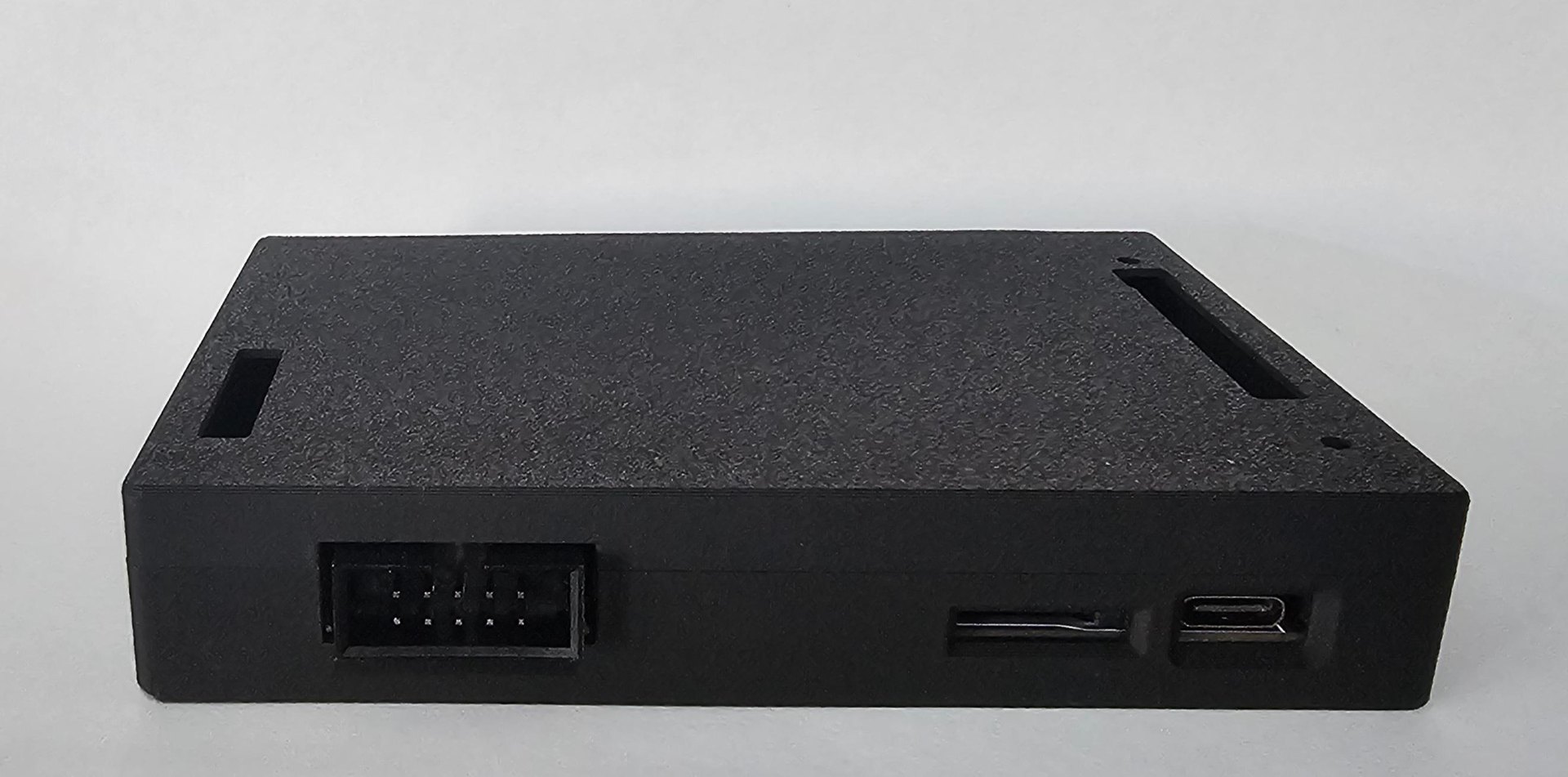
BT-to-Serial Adapters — A1SIBTRSV1 / V2
The A1SIBTRSV1 and A1SIBTRSV2 are A1SI's Bluetooth Classic v2.1 ↔ RS232 wireless adapters, built on the ESP32-D0WDQ6-V3 chipset with 4M external flash. Hand a DB9 RS232 port a wireless interface to Windows, macOS, Linux, or Android — no driver fork, no proprietary terminal — using the Bluetooth Serial Port Profile that's been on every host operating system for two decades.
Step 1 — Connect to ESP32-Modbus-BLE
Preview coming soon
Step 2 — Read Holding Registers (0x03)
Preview coming soon
Step 3 — Write Single Register (0x06)
Preview coming soon
Step 4 — Mock mode response (no hardware)
Preview coming soon
BLE Modbus Bridge — Web Bluetooth
A1SI's ESP32 BLE Modbus Bridge speaks Modbus RTU on one side and the industry-standard Nordic UART Service (NUS) on the other. Pair it from a Chromium-based browser using the Web Bluetooth API, send read-holding-register or write-single-register frames straight from your own web application, and watch the device respond — no native driver to ship, no platform-specific app to maintain.
Across the product line
Every bridge in the line is built on the ESP32 — Espressif's dual-core MCU with Bluetooth Classic and BLE on the same SoC — and every bridge speaks an open, standards-based protocol on each side of the wire. No proprietary radios, no closed control planes.
All three bridges run on Espressif ESP32 silicon — dual-core MCU, Bluetooth Classic + BLE radios on one chip, 4M external flash on the production models. One platform discipline carried across the whole product line.
The BLE Modbus Bridge speaks NUS — the industry-standard GATT profile thousands of BLE devices already implement — so any host stack that already talks NUS talks to the bridge.
Chromium-based browsers (Chrome, Edge, Opera, Brave) can talk straight to the BLE Modbus Bridge over the Web Bluetooth API — no native driver, no platform-specific app, no proprietary control surface to maintain.
The A1SIBTRSV1 / V2 RS232 adapters use Bluetooth Classic 2.1 with the Serial Port Profile — supported by Windows 11 down to Windows 98, Linux, macOS, and Android. No driver fork; the SPP virtual COM is on every desktop OS.
A1SI integrates an open-source reference implementation (full attribution in the note at the bottom of this page) for retro-computing customers — modern Bluetooth keyboards and mice driving PS/2 Set 2 + Microsoft Serial Mouse on legacy hosts, hardened and supported alongside our own bridges.
The bridges are A1SI's reference designs and reference firmware. Engineering engagements customize the BLE name, the AP SSID, the configuration tool branding, the firmware behavior, and the enclosure — ship the bridge under your own product line.
A wireless-bridge product line
Each bridge in the line is built on the same platform discipline: Espressif's dual-core ESP32 MCU with Bluetooth Classic and Bluetooth Low Energy on one SoC, paired with an open-standards protocol on the legacy side — Modbus RTU, RS232, PS/2 Set 2, Microsoft Serial Mouse — so the bridges interoperate with the tooling and host stacks customers already have. The line includes A1SI's own A1SIBTRSV1 / V2 RS232 adapter and the ESP32 BLE Modbus Bridge alongside an integrated open-source reference design for retro-computing PS/2 + serial-mouse customers.
Why Wireless Bridges
Every wireless bridge in the line runs on the ESP32 — Espressif's dual-core MCU with Bluetooth Classic and Bluetooth Low Energy on one SoC. Same chipset, same firmware foundation, same engineering discipline carried across the A1SIBTRSV1 / V2 RS232 adapter, the ESP32 BLE Modbus Bridge, and the BT-HID → PS/2 + Serial Mouse converter. Customers buying more than one bridge get an architecture they recognize, not three unrelated products with three unrelated firmware stacks to maintain.
Nordic UART Service for BLE. Modbus RTU function codes with automatic CRC-16. PS/2 Set 2 with the complete host command set. Microsoft Serial Mouse at 1,200 baud 7N1 with DTR handshake. Bluetooth Classic Serial Port Profile. Every bridge speaks protocols that have decades of host-side tooling already deployed — no proprietary radios, no closed control planes, no vendor-locked client app.
The same wireless-bridge engineering discipline serves three different problems. An industrial multi-drop bus that ships RS232 forever gets a Bluetooth Classic adapter. A factory-floor Modbus device gets a browser-driven Web Bluetooth control surface. A 1990s personal computer gets a modern Bluetooth keyboard and mouse over PS/2 + serial. The line is designed to grow — additional bridges (RS-485, CAN, MIDI, additional HID profiles) follow the same platform pattern.
Questions & answers
A1SI Wireless Bridges are a product line that connects modern wireless devices to the legacy serial, industrial, and PS/2 protocols still running industrial equipment, medical instruments, factory floors, and retro computer systems. All three bridges are built on Espressif’s ESP32 — a dual-core MCU with Bluetooth Classic and BLE radios on one chip — each engineered for a different connectivity problem.
The A1SIBTRSV1 / V2 is A1SI’s Bluetooth Classic 2.1 ↔ RS232 wireless adapter, built on the ESP32 with 4M external flash. It gives a DB9 RS232 port a wireless interface using the Bluetooth Serial Port Profile, which is supported on Windows (11 down to 98), Linux, macOS, and Android. Baud rates run 1,200 to 230,400 bps with configurable data bits, stop bits, and parity set via a bundled USB configuration tool, and large RX/TX buffers (2,048 / 8,192 bytes) absorb bursty serial traffic.
The ESP32 BLE Modbus Bridge speaks Modbus RTU on one side and the industry-standard Nordic UART Service (NUS) over BLE on the other. From a Chromium-based browser you pair it using the Web Bluetooth API and send Read Holding Registers (0x03), Read Input Registers (0x04), or Write Single Register (0x06) frames — CRC-16 is computed automatically. A mock mode returns canned register values so a front-end team can build the control surface before hardware is on the bench. No native driver or platform-specific app is needed.
Only Chromium-based browsers — Chrome, Edge, Opera, and Brave — implement Web Bluetooth. Safari and Firefox do not. Customers planning a browser-driven Modbus control surface should confirm browser fit for their deployment.
No — that capability is delivered via an open-source reference implementation, not A1SI proprietary code. The PS/2 Set 2 + Microsoft Serial Mouse converter is based on an MIT-licensed project (© Guy Turcotte, 2020) that itself builds on an Espressif ESP-IDF sample under the Apache 2.0 license. A1SI integrates and supports the reference design alongside its own RS232 and BLE Modbus bridges; the underlying code remains available under its upstream MIT terms.
The bridges are hardware + firmware products; specific availability, pricing, customization scope, and ship dates are agreed in the engineering engagement, not listed here. Engineering engagements can customize the BLE name, AP SSID, configuration-tool branding, firmware behavior, and enclosure so you can ship a bridge under your own product line. Start a conversation through the website and we’ll match the bridge to your protocol.
Plans & availability
Each bridge is configured for the host device and the legacy protocol on the other side of the wire. Tell us the two ends you need to connect and we will match the bridge and scope the build.
Wireless Bridges are quoted per engagement — availability, customization, and ship dates are agreed up front, with no online checkout. Request pricing and we will match the bridge to your protocol.
Whether you're putting a wireless face on a piece of industrial RS232 equipment, building a browser-driven control surface over Modbus, or pairing a Bluetooth keyboard with a vintage PC — start a conversation. We'll match the bridge to the protocol.
A1SI Wireless Bridges are hardware + firmware products; specific availability, pricing, customization scope, and ship dates are agreed in the engineering engagement. Bluetooth Classic 2.1 (Serial Port Profile) and Bluetooth Low Energy (GATT / Nordic UART Service) are distinct protocols — match the bridge to the host device and the target legacy protocol. The PS/2 + Microsoft Serial Mouse capability is delivered via an open-source reference implementation (MIT licensed, © Guy Turcotte 2020, based on an Espressif sample implementation under the Apache 2.0 license); A1SI integrates and supports the reference design as part of the wireless-bridges product line — the underlying code is not A1SI proprietary and remains available under its upstream MIT terms. The Web Bluetooth API used by the ESP32 BLE Modbus Bridge is supported in Chromium-based browsers (Chrome, Edge, Opera, Brave); Safari and Firefox do not implement Web Bluetooth — customers planning a browser-driven control surface should confirm browser fit for their deployment.